



Al-Muharrami Stresses Key Role of Private Sector in Stabilizing Currency and Growing Economy
Mr. Abdulrahman Al-Muharrami, Deputy President of the Southern Transitional Council (STC) and member...
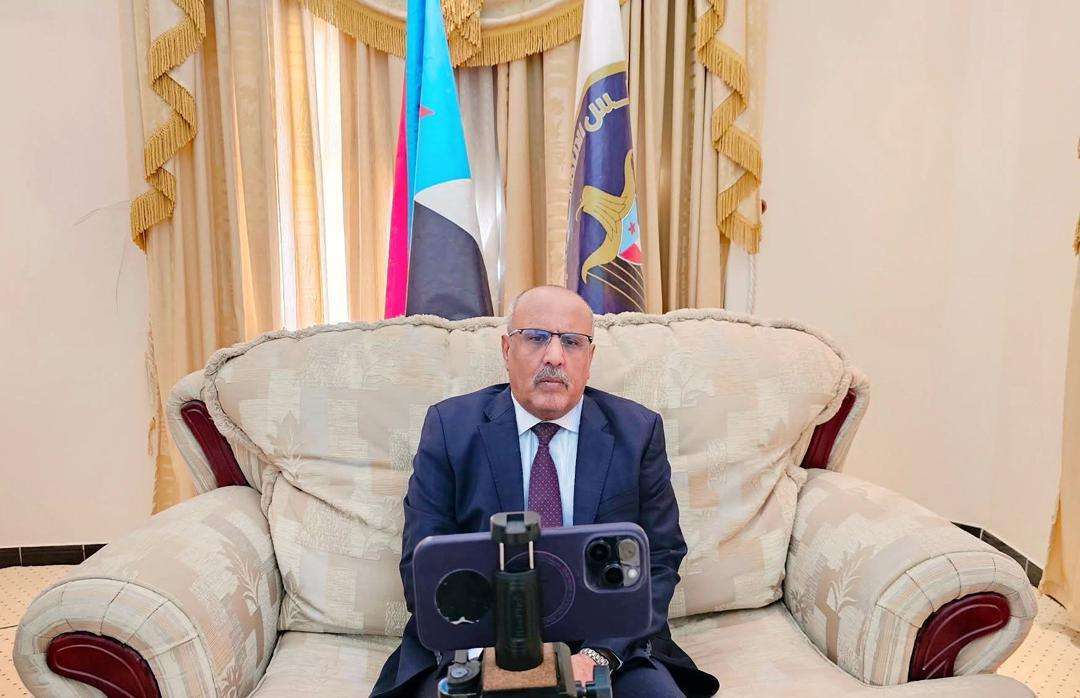
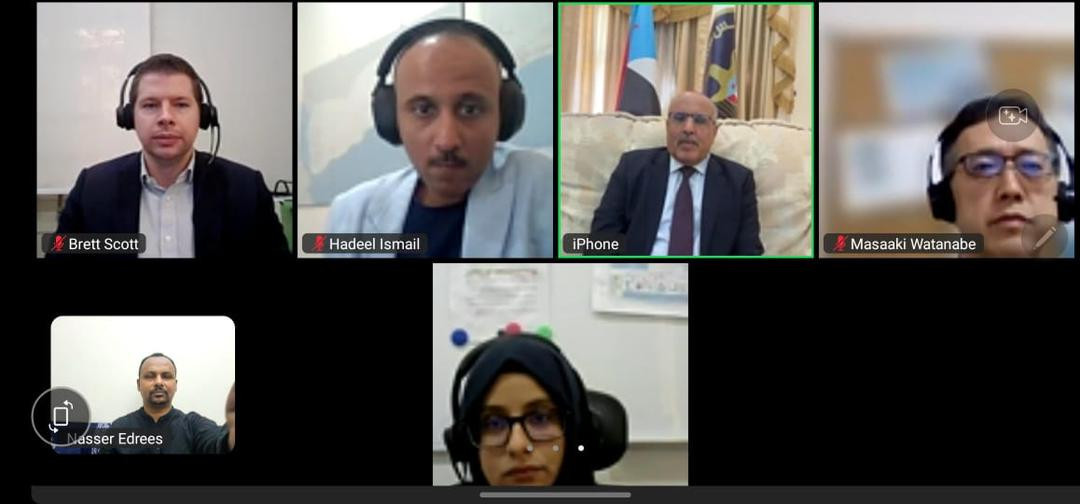
Mr. Ali Abdullah Al-Kathiri, Chairman of the National Assembly of the Southern Transitional Council (STC), held a virtual meeting on Sunday with senior officials from the offices of the United Nations Special Envoy in both the Jordanian capital, Amman, and the capital, Aden, to discuss the latest developments in Hadramout.
The meeting included Mr. Masaki Watanabe, the Chief Officer of the Political Affairs Division at the UN Special Envoy's office in Amman, along with Brett Scott, Head of the UN Special Envoy's office in the capital, Aden, and political officers Tumana Obaid and Hadeel Samir.
During the meeting, Mr. Al-Kathiri provided a comprehensive briefing on the security and public service conditions in Hadramout, highlighting that the governorate has returned to a state of normal stability following the liberation of the Valley and Desert on December 3, 2025, and asserted that there have been no official reports of killings, kidnappings, or assassinations, contrary to circulating rumors.
He clarified that efforts are underway to prevent the carrying of weapons within cities, halt illegal taxation, and facilitate smooth commercial movement without harassment or extortion. Additionally, international roads leading to Saudi Arabia, Oman, and Marib have been secured and stabilized by the Southern Armed Forces.
Al-Kathiri noted that residents from Northern governorates living in Hadramout are facing no harassment or abuses and are carrying on with their daily lives normally. Those who left did so voluntarily, without coercion. He explained that local authorities continue to perform their duties freely across all districts, in coordination with the STC, stressing that the objective of the Southern forces' entry was to liberate and secure the Valley and Desert of Hadramout, not to seize power.
The Assembly Chairman affirmed widespread public satisfaction in Hadramout following the liberation, in response to prior popular demands for the Southern Armed Forces to intervene and end the occupation-like situation in the First Military Region. He added that the bodies of those killed in the First Military Region have been handed over, many prisoners have been released, and some individuals wanted for various cases remain under custody.
Responding to questions about military arrangements, Al-Kathiri dismissed any calls for the withdrawal of Southern Armed Forces from Hadramout's Valley and Desert as unrealistic. He highlighted that there are no issues with the Southern National Shield forces or the Hadrami Elite force, given their crucial role in securing the South and combating terrorism.
Mr. Ali Al-Kathiri further stated that the First Military Region had served as a corridor and support base for terrorist groups and Houthi militias, necessitating the disruption of supply lines through Hadramout and Al-Mahra.
Furthermore, the meeting touched on developments in the Plateau region, where Al-Kathiri confirmed a return to normalcy, with PetroMasila resuming its operations under the protection of company security forces and the Hadrami Elite. He explained the temporary suspension of Seiyun Airport due to maintenance and security enhancements, noting that operations will resume soon.
Al-Kathiri underscored the STC's commitment to keeping the United Nations directly and objectively informed of developments, supporting de-escalation, stability, and the peace process, and affirmed adherence to principles of transparency, civilian protection, and the rule of law.
At the end of the meeting, Al-Kathiri extended a formal invitation to the UN Special Envoy and his team to visit Hadramout and observe the situation firsthand.
For his part, Mr. Watanabe expressed thanks to Mr. Ali Al-Kathiri for the detailed briefing, reaffirming the UN's interest and daily monitoring of developments in Hadramout, and asserted that successful mediation efforts require a cohesive presidential council and assured that the UN is seriously engaged in the future political process, including the centrality of the Southern issue.
Mr. Abdulrahman Al-Muharrami, Deputy President of the Southern Transitional Council (STC) and member...
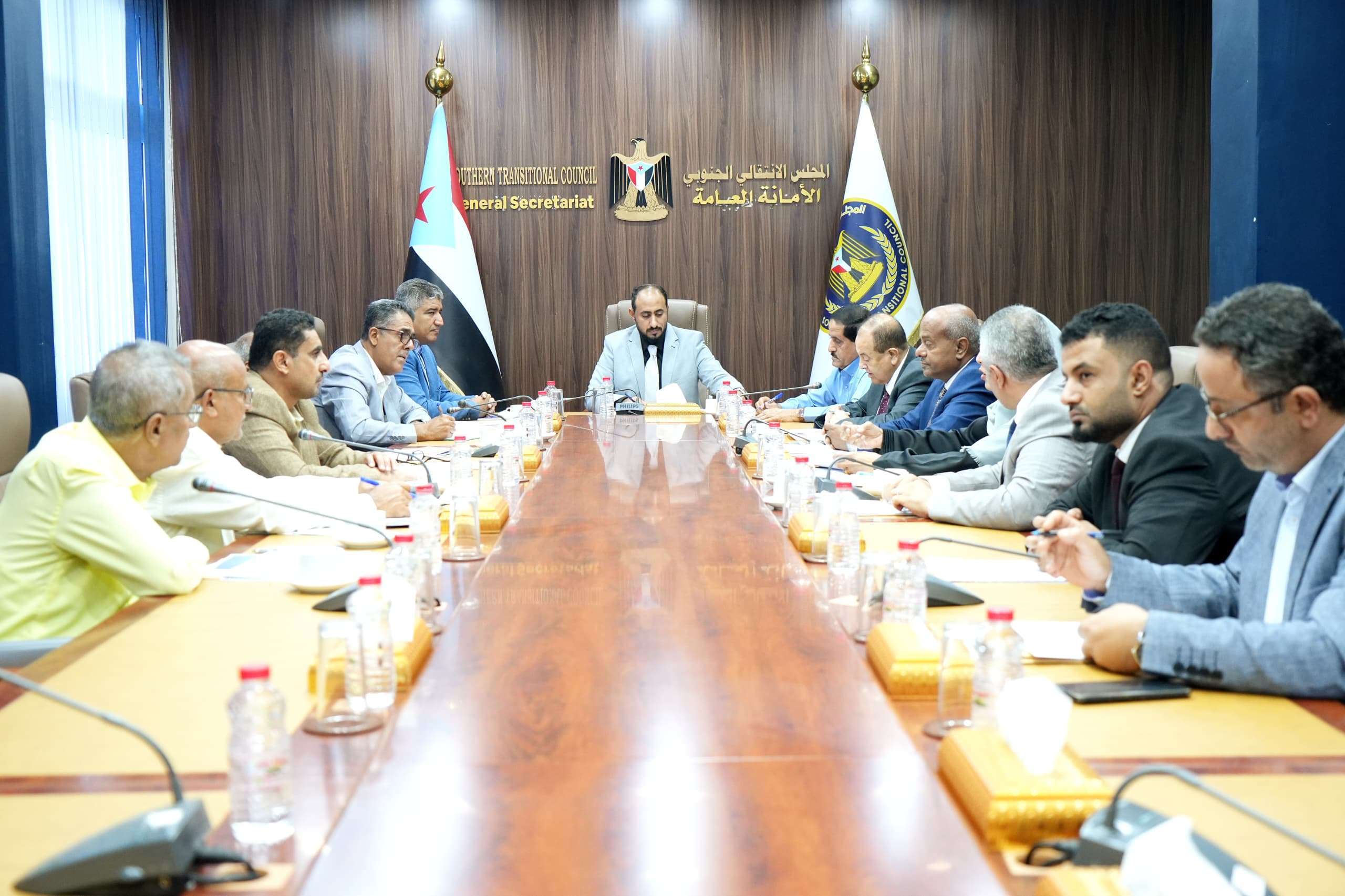
The General Secretariat of the Presidency of the Southern Transitional Council (STC) held its regula...
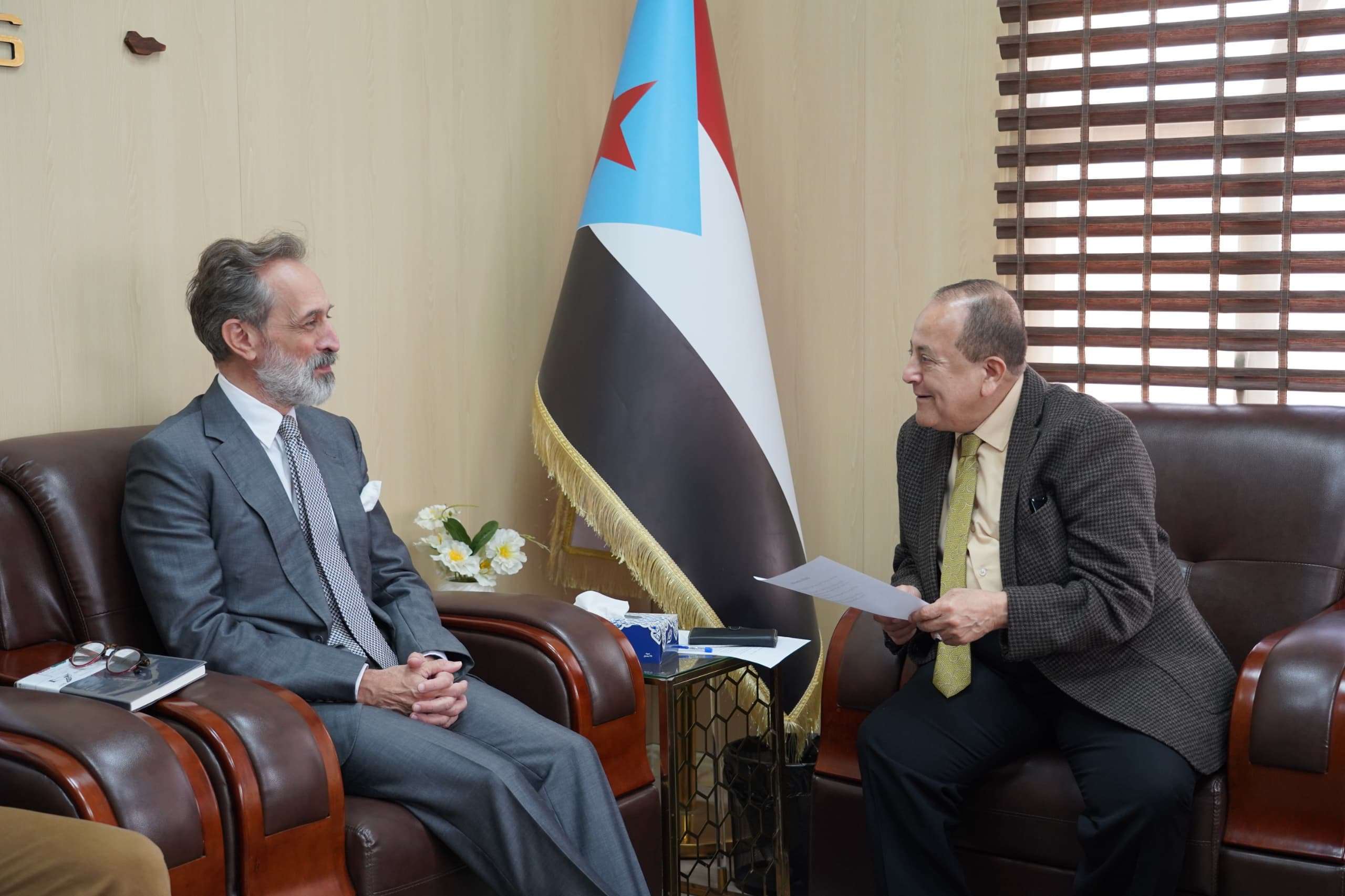
Dr. Saleh Mohsen Al-Haj, head of the Foreign Affairs Authority of the Southern Transitional Council...
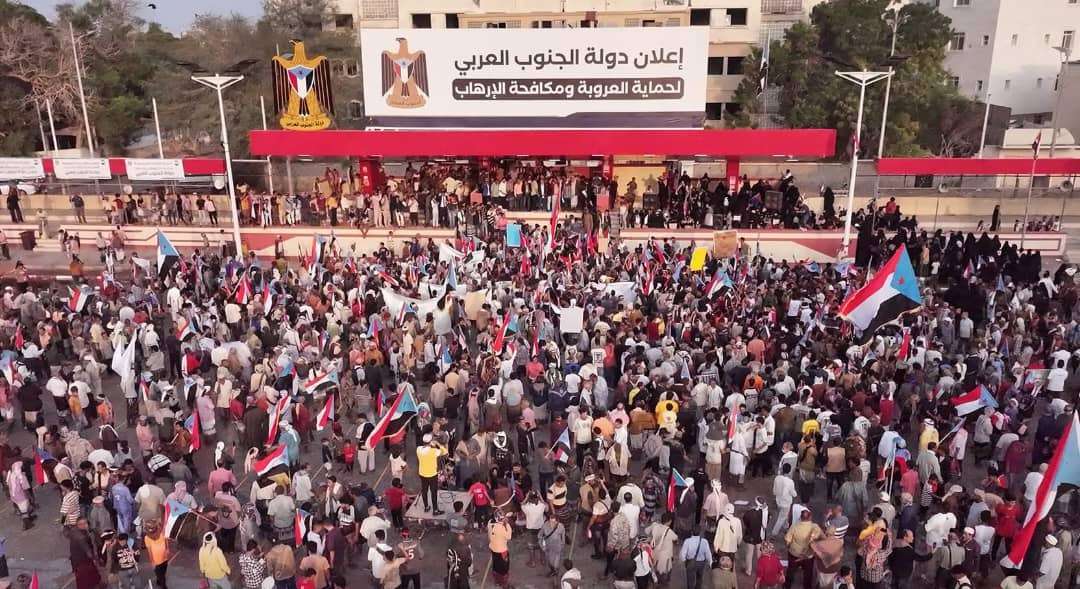
The open-ended sit-in square in the Khormaksar district of the capital, Aden, witnessed on Thursday...